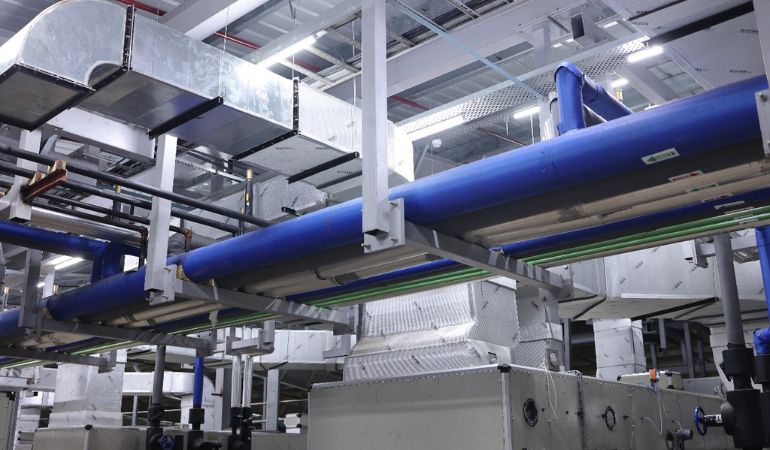
The Critical Role of MEP in Modern Infrastructure
In the world of construction and facility design, MEP (Mechanical, Electrical, and Plumbing) engineering serves as the central nervous system of any high-performance structure. While architectural civil works provide the physical bones, MEP systems breathe life into the building — delivering safe electrical currents, comfortable climate regulation, potable and fire-suppression water, and clean breathable air.
"Without intelligent MEP coordination, even the most majestic architectural building becomes an energy sinkhole plagued by operational failures and frequent maintenance crises."
The Three Pillars of Comprehensive MEP Engineering
An integrated engineering methodology coordinates three mission-critical disciplines:
- Mechanical & HVAC Engineering: Regulating indoor air velocity, thermal comfort, positive atmospheric pressure, process ventilation exhaust, and energy recovery ventilation (ERV) across manufacturing floors and cleanrooms.
- Electrical Infrastructure: Heavy-duty HT/LT power distribution, step-down transformers, switchgear synchronization, diesel generator auto-mains-failure (AMF) panels, and low-voltage networks (data, CCTV, BMS).
- Plumbing & Fire Suppression: Industrial hydropneumatic potable pumping, effluent drainage, graywater recycling, and high-pressure fire hydrant/sprinkler loops built to National Building Code (NBC) standards.
Why Integrated Design Prevents On-Site Clashes
Traditionally, mechanical contractors, electrical technicians, and plumbing crews operated in silos — resulting in cable trays clashing with HVAC ductwork, or drainage pipes blocking structural ceiling cavities. By utilizing 3D BIM clash detection and integrated engineering blueprints, Vigiash Engineering identifies and resolves routing spatial conflicts before a single conduit is cut on the job site.
Sustainability, Green Building & Life-Cycle ROI
Modern MEP engineering isn't just about functionality; it is the cornerstone of sustainable green building architecture. Implementing high-efficiency chillers, smart LED sensors, variable frequency drives (VFDs) on industrial pumps, and water-conserving fixtures reduces a facility's lifetime carbon footprint while slashing monthly utility expenditures by up to 30%.
